The Second Project...
Hi everyone! It’s me again, this second post is going to be an overview through all the presentations we did for this second project.
For this second project we were divided into the same groups as in the first project, and then professor Sinkoff assigned us a topic for each group. In general, each group had to make an agenda, a brochure, and a presentation without including that one member of each group had to record a video of about one minute explaining the content of the brochure, those videos were recorded with the objective of being presented in an event that was held on October 21st. In my case I was in charge of recording that video, the experience was very interesting and informative, but at the same time it was a bit challenging because the video had to be one or two minutes long and the topic that was assigned to my group had so much relevant information that I felt I could not cover it in such a short time.
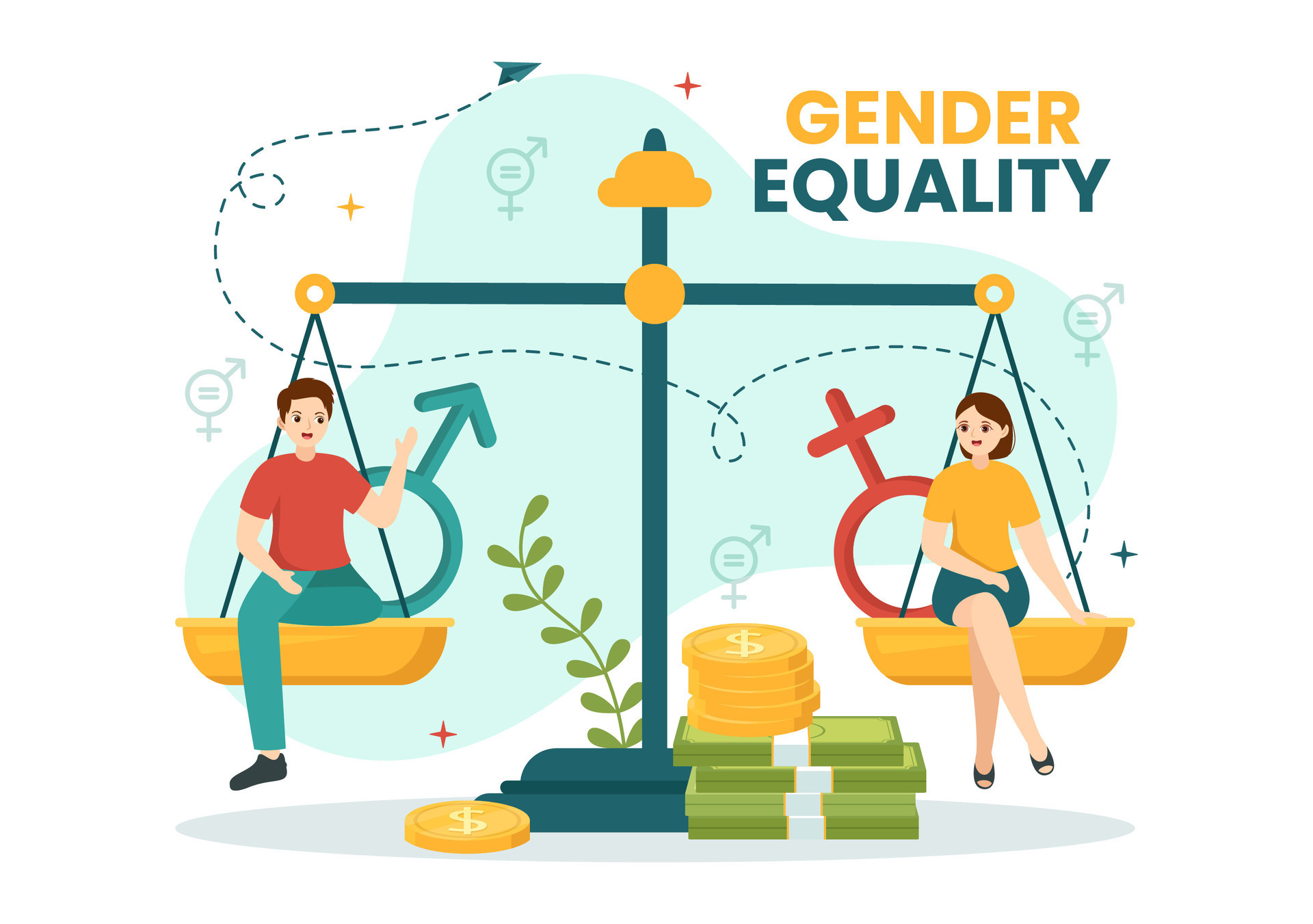
Group 4 was the first group to present, their topic was “Gender Equality.” They highlighted major wins in history that shaped modern days gender equality such as how women with an elite status in ancient Egypt had more value than the women in laboring classes and properties were descended from mother to daughter, women were recognized as legally competent. In contrast to Greek and Rome were women had a few rights. They also mention important events such as the 1st Women’s Rights Convention and the ratification of the 19th Amendment. Personally, I really enjoy the presentation, it was very informative about how society have change over time, even how the role of women had evolved giving us more relevancy in society, among other things.

Group 3 topic was “Education Policies.” They started by defining education policies as a set of laws and regulations that control the education system, also, they talked about who created the education department, President Andrew Johnson, and how this, one year later, was demoted for holding too much power over local schools. The group also examined recent political stances, noting that former President Donald Trump advocated for school choice, promoting federal funding for charter schools and voucher programs to give parents more options in school selection. In contrast, Kamala Harris, during her time in the Senate, emphasized policies to increase teacher pay and better fund under-resourced schools, focusing on equity in education. They also mention that education is essential to building a ready workforce, driving innovation, and promoting fairness in society. It’s a critical policy issue that has barely been mentioned in the presidential debates, even though it’s a top concern for voters, especially younger people and families struggling with student debt. Moreover, from an American perspective, Trump’s education policies emphasize conservative values, focusing on personal responsibility and reducing government control. His push for vocational training appeals to people who are doubtful of traditional college paths. In contrast, Harris’s approach aligns with progressive, international trends that prioritize equity and access. Her policies reflect reforms similar to countries with low-cost education systems, focusing on making education more affordable and accessible. Personally, I liked how this group explained all the information and that they added the position of the presidential candidates. Also, when at the last part they explained the step for the press research. I think everything in general was very clear.
Group 2 topic was “The Electorate and the Election Process.” They started by explaining that voting began as an informal way for early groups to make decisions. Ancient Athens formalized it in the 5th century BCE, allowing male citizens to vote on laws directly. The Roman Republic introduced elections for officials, while medieval Europe limited voting to elites. The Enlightenment brought representative democracy, leading to systems like Britain’s Parliament and the U.S. government. By the 19th and 20th centuries, voting rights expanded to include women and marginalized groups, making it key to sharing political power. In addition, Athens set the foundation for democracy by involving citizens directly in decisions, balancing power with a council, and using public debate. Early societies turned to elections to manage complex populations and promote stability, which influenced today’s systems focused on fair representation, term limits, and accountability. Then They explained how voter eligibility varies around the world. In Europe, most countries set the voting age at 18, sometimes as low as 16, with automatic voter registration. Australia has compulsory voting for those over 18, which boosts turnout and requires minimal ID. In Latin America, voting is often mandatory, with registration tied to national ID cards, and so on. Also, they talked about how the U.S. educational system is decentralized, resulting in varying quality across states. Higher education levels enable critical assessment of news, while lower education can increase susceptibility to misinformation, affecting voting decisions. I was part of this group. I think this topic especially covered a lot of relevant information about electoral systems, how they were formed, how education is part of our understanding of elections, among other aspects.
Group 1 was the last one to present. Their topic was “Immigration policies,” they talked about how People that is forced to flee their countries are called refugees, while those applying for protection are asylum seekers, as outlined in the Universal Declaration on Human Rights. Migration is influenced by various factors, including conflict, political repression, economic downturns, and social climate. Authoritarian regimes often drive individuals to seek freedom in more democratic nations. Moreover, during the COVID-19 pandemic, President Trump invoked Title 42, leading to the deportation of over 400,000 migrants, including asylum seekers. President Biden continued this policy, resulting in more than two million deportations by May 2023. Trump's zero-tolerance approach also led to family separations, with over 4,000 children taken from their parents. Biden later established a task force to reunite families, successfully returning over 3,000 children. Also, advocacy for immigrant rights includes local organizations providing legal aid, educational resources, and community engagement through workshops. National organizations play a role in influencing policy, conducting research, and building coalitions to support legislative changes and improve community programs for immigrants.
Personally, the presentation of group 1 was the one I liked the most although all of the presentations were really good, in general the design was very nice and the information was very broad and concise and I think that one of the things that stood out the most were the people who were interviewed in this group. I feel they did a great job as did the other groups. Finally, I really enjoyed this project not only for the very interesting topics but also for the fact that we were working with the same groups from the first project and I think that gives us comfort when working although I am also excited for the next project since the dynamics change a little bit.


Excellent!
ReplyDelete